Interior Design Trends for Your Costa del Sol Home (And Which Ones to Ignore)
Every few months, the internet fills up with trend forecasts. Mood boards, colour announcements, lists of what's in and what's out. Some of it is genuinely useful. A lot of it isn't - particularly if you're furnishing a holiday home on the Costa del Sol rather than a city apartment you're in every day.
After years of working in interior design across Marbella, Sotogrande, and the wider Costa del Sol for a decade, my honest view is this: most trends aren't worth chasing. A home needs to work well, feel genuinely good to be in, and still look right in five years' time. That's a different brief to following whatever's on the cover of a design magazine.
That said, some of what's coming through right now is actually worth paying attention to. And some of it really isn't. Here's my take.
The trends worth paying attention to
Warmth and earthy colour
The long dominance of cool greys and stark white interiors is finally, properly, on its way out. What's replacing it is warmer - terracotta, clay, soft ochre, warm greens. Colours that feel grounded and lived-in rather than clinical.
For homes on the Costa del Sol, this isn't really a trend, it's just good design. These tones have always suited the Andalusian light and the landscape outside.
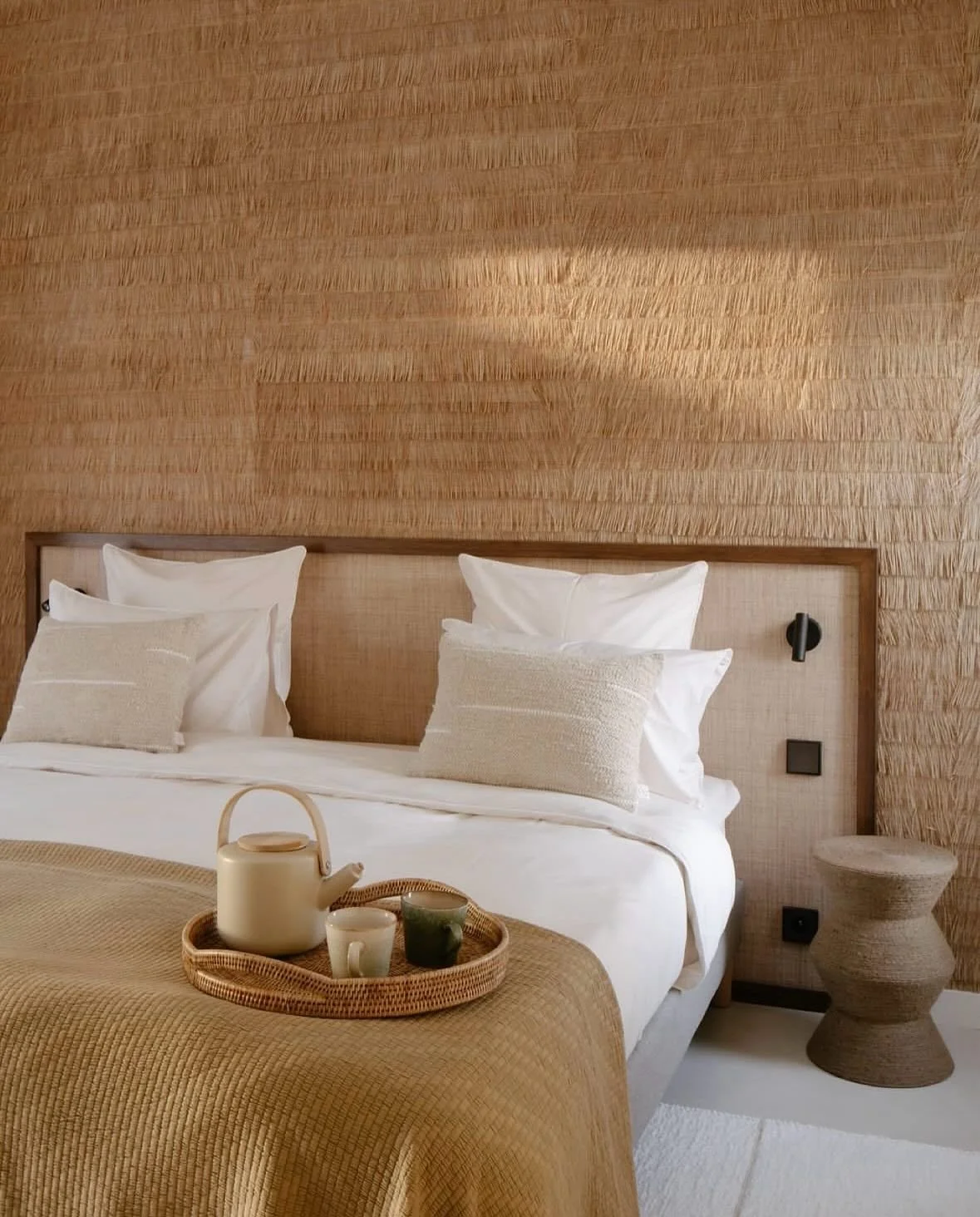
Tactility and material depth
There's a growing focus on how spaces feel, not just how they look. Texture, natural materials, surfaces that have weight and presence to them. Stone that you want to run your hand across. Linen that looks slightly rumpled. Timber with visible grain.
This is a direction I'm fully in favour of and one that suits holiday homes particularly well. A space that engages the senses rather than just photographs nicely is a space people actually want to spend time in.
Quiet luxury
Less is more, but done properly. Quality over quantity, a few considered pieces rather than a room full of things, craftsmanship that speaks for itself without shouting. This has been building for a while and it isn't going anywhere.
For second homes and investment properties especially, this approach makes a lot of sense. Spaces designed this way hold their value, aesthetically and financially.
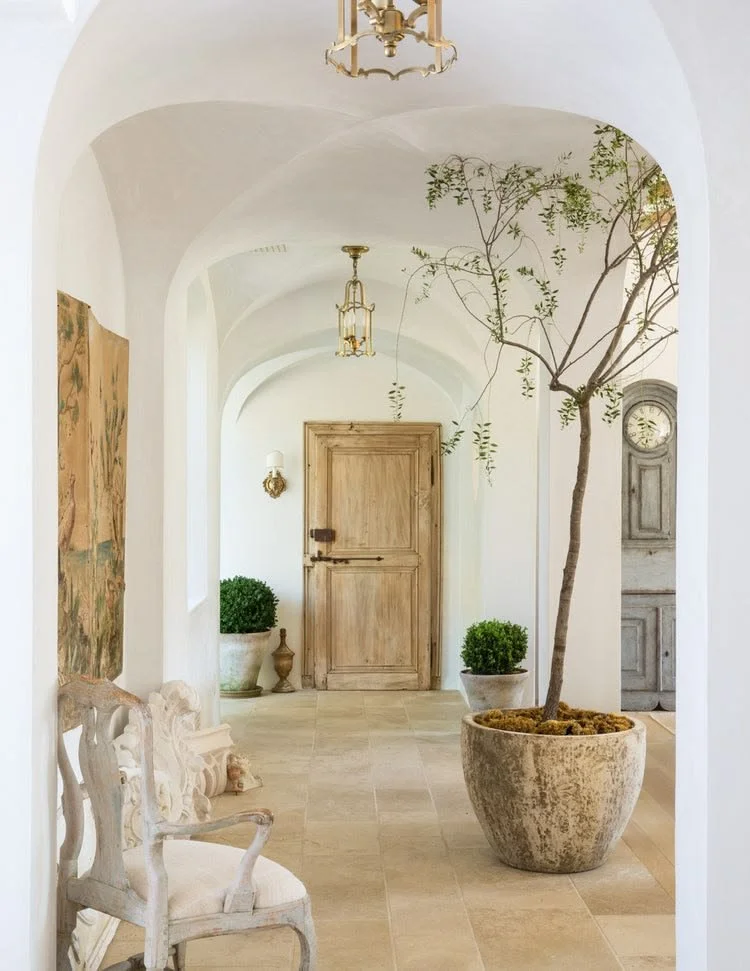
Patina and aged finishes
Unlacquered brass, bronze, materials that develop character over time rather than looking perfect from day one. There's a growing appreciation for things that age well, which again suits the Mediterranean context beautifully. A home that looks slightly more itself after a few years is a very different thing to one that looks like it needs updating.
The trends worth ignoring
Marshmallow furniture
Oversized, extremely rounded, heavily upholstered sofas and chairs have been everywhere for the past couple of years. They're already starting to fade, and with good reason, they're difficult to live with, they date quickly, and in a warm climate they feel heavy and out of place. Curved furniture as a concept is fine. Furniture that looks like it's been inflated is a different matter.
Bold statement colours
Electric blue, pop pink, vivid orange, these are making an appearance in trend forecasts right now and will no doubt look striking in editorial shoots. In a holiday home that you want to enjoy for years, and potentially rent out or sell, they're a significant risk. Colour as atmosphere is a sound idea. Colour as a statement that has to be repainted in three years is not.
Grandma chic and maximalism
Chintz, florals, layered pattern on pattern — done well, this can look wonderful in the right context. That context is rarely a Mediterranean home. It's an inherently personal aesthetic that depends on a very specific collection of pieces built up over time. In a second home, it tends to look like a lot of things have been put in a room rather than a considered interior.
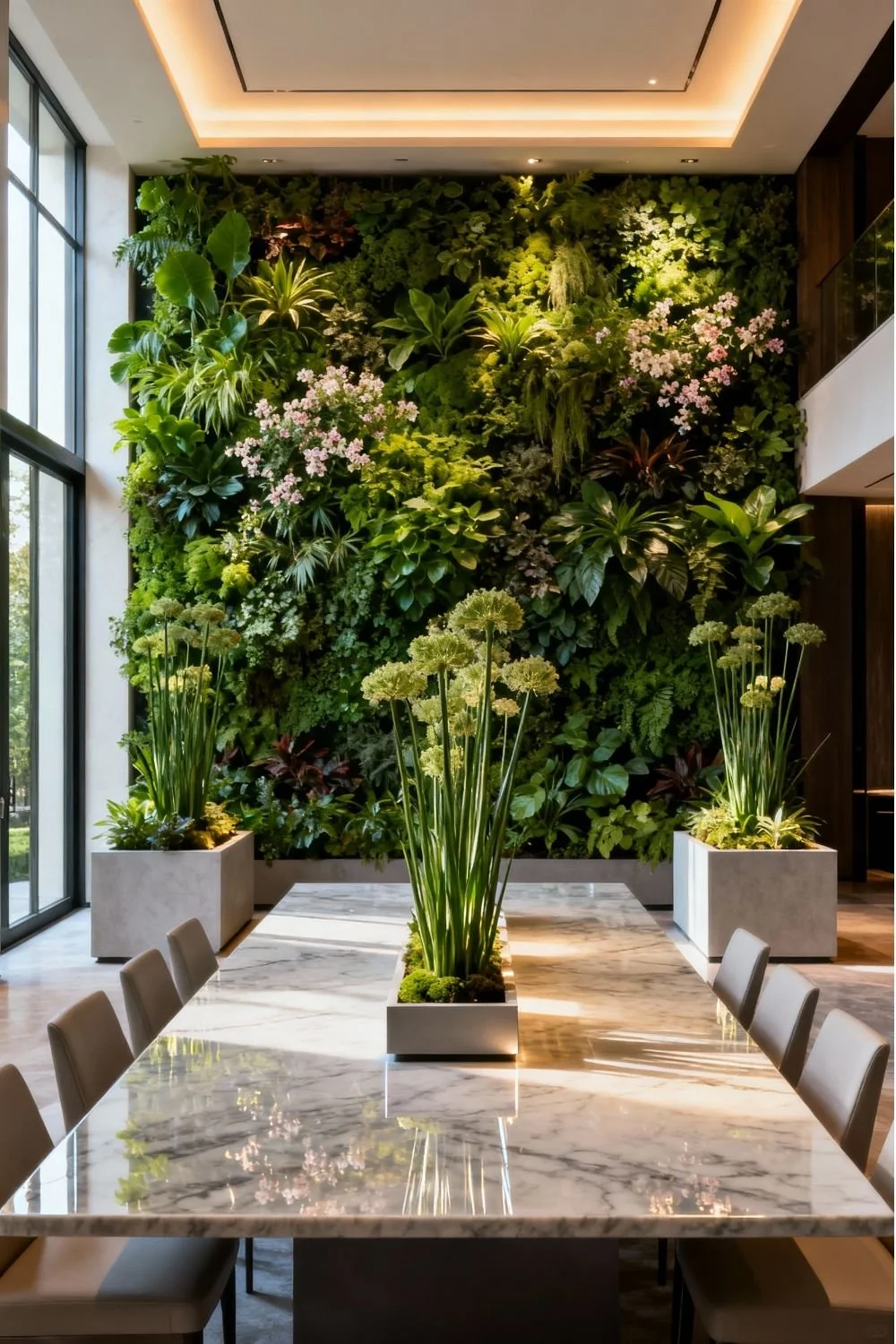
Biophilic design taken too far
The principle behind biophilic design (bringing nature into a space) is completely sound, and something good Mediterranean interiors have always done naturally. But the more elaborate versions of this trend, indoor water features, living walls, humidity-controlled plant installations, feel gimmicky and high-maintenance. When you're ten minutes from the sea and the doors are open half the year, you don't need to manufacture a connection to the outdoors.
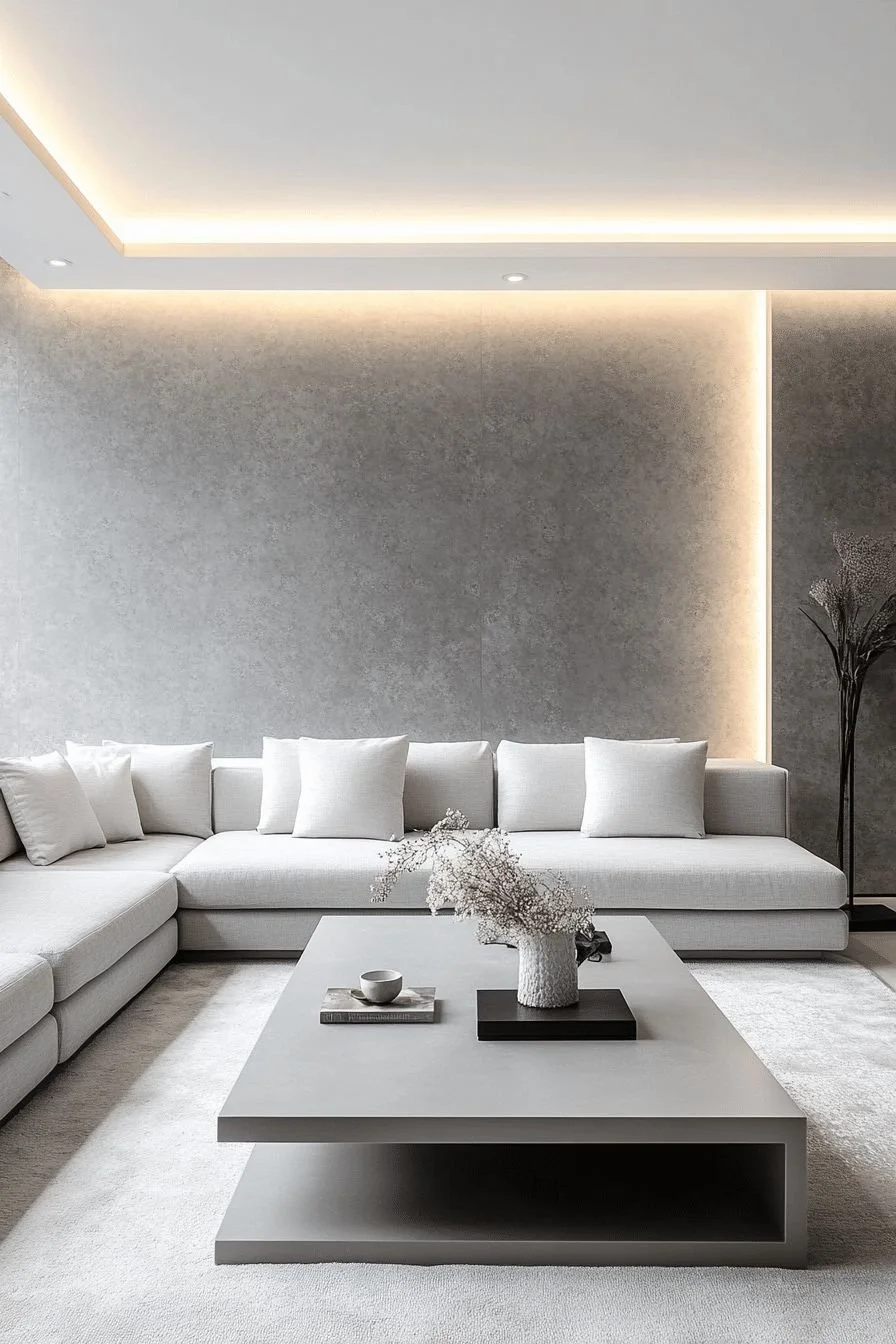
All-white and cold grey minimalism
Still appearing in new builds and developer show apartments everywhere, and widely acknowledged to be looking dated. A white or grey scheme isn't inherently wrong, it's a neutral foundation that can work, but when it's the whole story, with nothing to add warmth or character, it tends to feel empty rather than calm.
The matching furniture package
Not quite a trend, but worth mentioning because it continues to be the default choice for new home buyers across the Costa del Sol. Developer furniture packs are convenient, but the result is apartments that are indistinguishable from one another - same sofa, same dining table, same generic artwork. It's the opposite of considered design, and it shows.
What never really goes out of style
Natural materials used well.
Spaces that suit their climate and surroundings.
Furniture chosen for the room rather than ordered from a catalogue.
Storage that works.
Lighting that creates atmosphere rather than just illumination.
Personal touches that make a place feel like somewhere rather than anywhere.
None of that is a trend. It's just good design, and it's what we focus on regardless of what the forecasts say.
Thinking about a project?
If you're planning to furnish, renovate, or refresh a property on the Costa del Sol, the earlier those conversations start the better. Getting the foundations right - materials, layout, lighting, storage - makes everything else easier and almost always saves money in the long run.
If you'd like to talk through what a project might involve, get in touch. The first conversation is always free.