Why a Walk-In Wardrobe Is Worth the Investment (And How to Get It Right)
Walk-in wardrobes and dressing rooms come up a lot when clients describe their dream space, but they're one of those rooms I get asked about constantly and have never actually written about. So here's what I'd tell anyone thinking about adding one or improving the one they've already got.
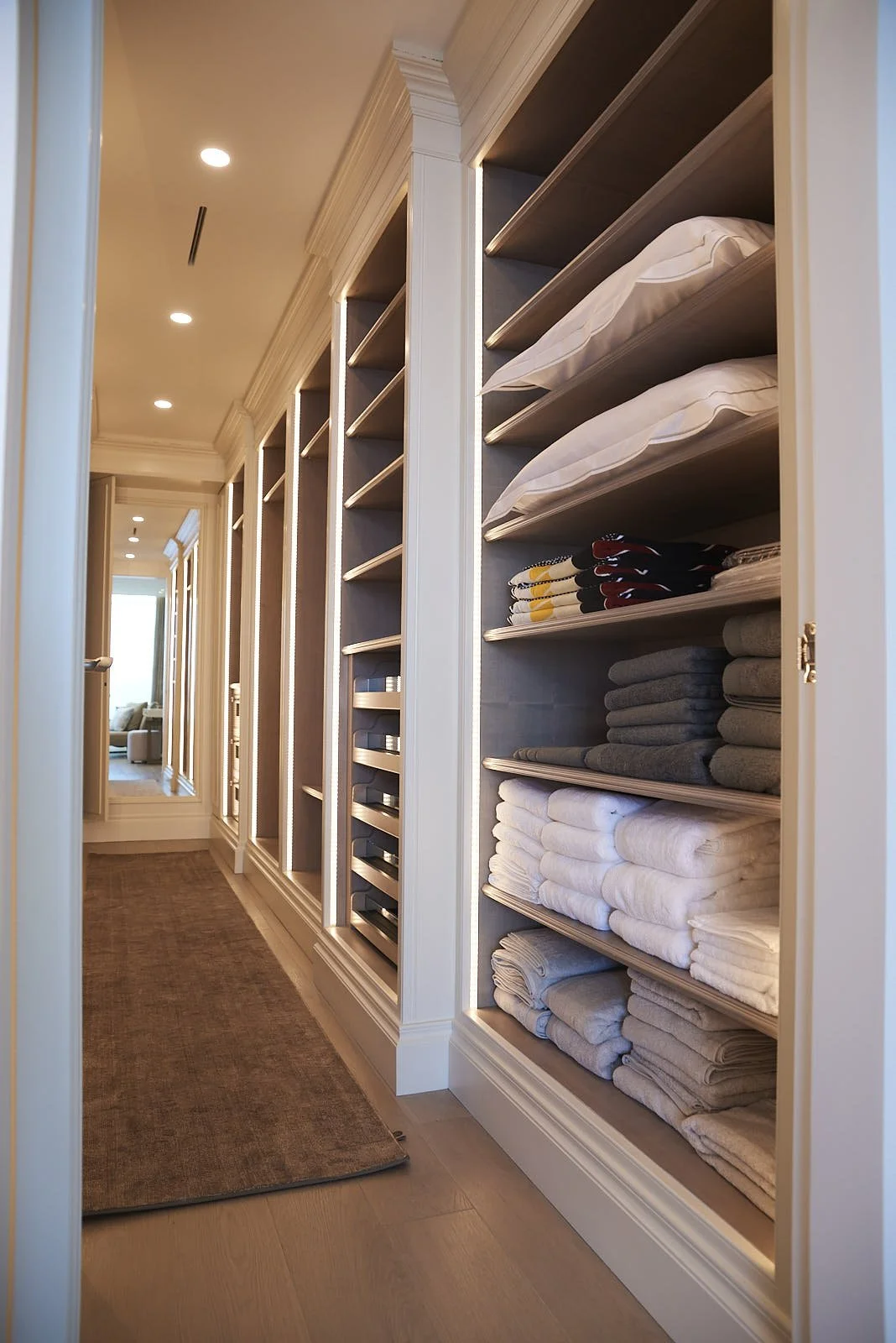
It's not just a bigger wardrobe
The mistake people make is treating a walk-in wardrobe like a regular wardrobe with more square footage. The whole point is that it's designed around how you actually get dressed, not just where clothes are stored. That means thinking about how you move through the space, where you stand to choose an outfit, where shoes and accessories live so they're visible rather than buried, and whether you want somewhere to sit while you do all of that. A well designed dressing room should make getting ready easier, not just tidier.
Storage that's built for what you actually own
Off the shelf wardrobe systems are designed to suit an average amount of everything, average hanging space, average shelving, average drawers. Most people's wardrobes aren't average, they lean heavily towards one thing or another, more shoes than most, more long dresses, more folded knitwear. Custom cabinetry means the space gets built around what you actually have, not a generic split that leaves you short on the things you need most and overstocked on space you don't.
Lighting changes everything in a dressing room
This is the detail that gets overlooked most often. Standard overhead lighting can completely change how colours look, which matters a great deal when you're trying to put together an outfit at seven in the morning. Lighting that's closer to natural daylight, positioned so it doesn't cast shadows across the space or across you, makes a genuine difference, and not just to how the room looks either. The wrong angle or colour temperature can wash you out or throw shadows in the wrong places, and that's a different problem to solve than simply lighting the room well. Good lighting in a dressing room should be flattering to stand in, not just nice to look at.
Mirrors deserve more thought than people give them
A single mirror by the door isn't enough in a proper dressing room. Position matters, you want to be able to see yourself properly without having to walk somewhere else in the house to do it. Full length mirrors positioned with good lighting, ideally where you can see from more than one angle, make the whole room function the way it's meant to.
Don't forget the unglamorous stuff
Laundry baskets, ironing space, somewhere for shoes that aren't currently in rotation, these aren't exciting to plan but they're what stops a beautiful dressing room from becoming cluttered within a few months. The things you'd rather not see, laundry, off season storage, anything a bit unsightly, deserve just as much thought in the layout as the bags and shoes you're proud to have on display. If anything they need more thought, because they're the easiest to ignore until the room's already built and there's nowhere left to put them.
It's also worth thinking about security, particularly in larger properties. A dressing room is a sensible place to build in a hidden safe, tucked behind a false panel or built into the custom cabinetry, rather than adding one as an afterthought once everything else is finished. It's a small addition at the design stage and a far bigger one to retrofit later.
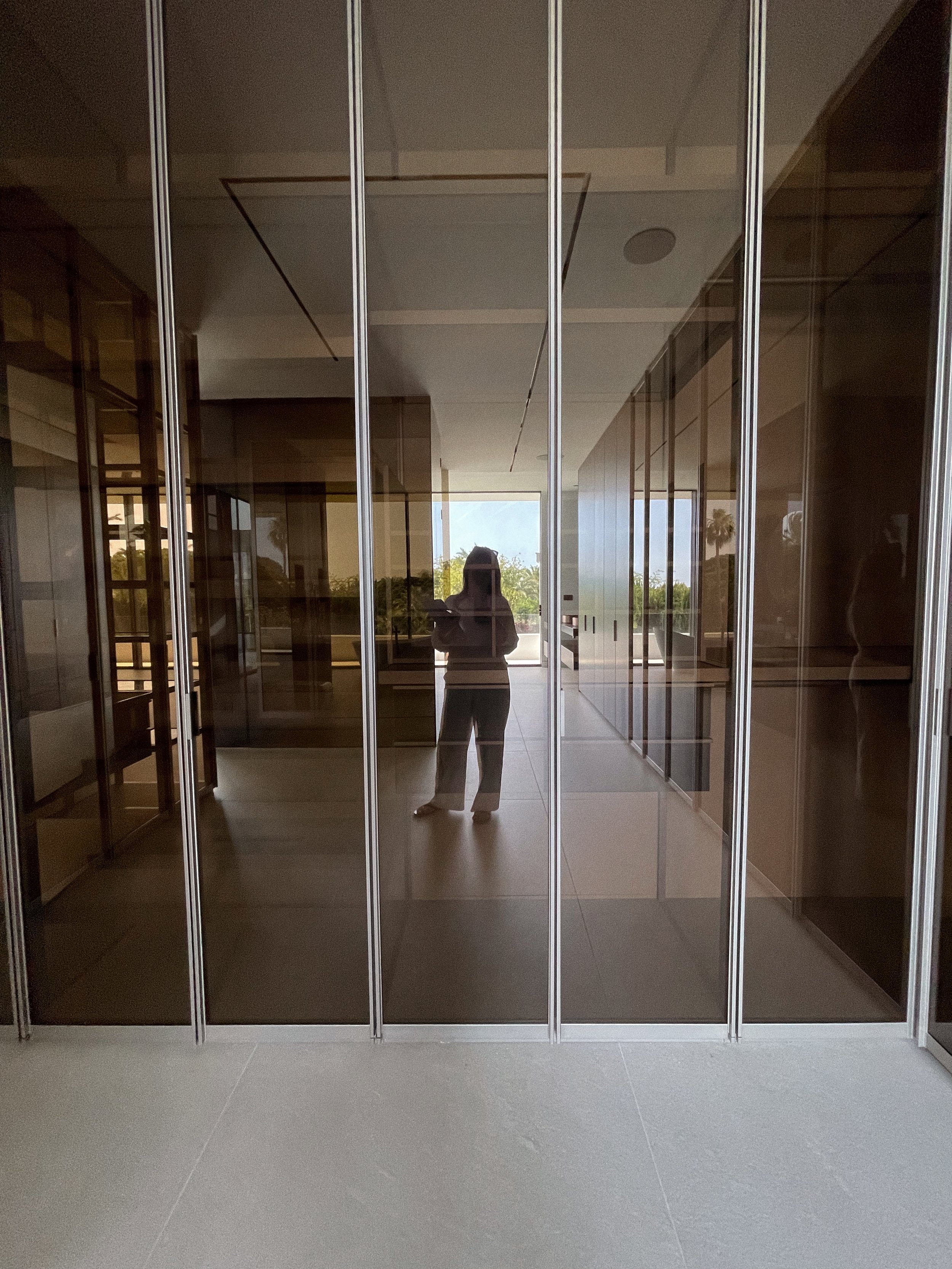
A walk-in wardrobe is worth it when it's designed around how you actually dress, not just built to look impressive. Get the storage, lighting, and layout right for your actual wardrobe, and it becomes one of the most used rooms in the house, not just the prettiest one.
If you're dreaming of a walk-in wardrobe that's actually built around how you live, get in touch. We'd love to talk it through, the initial chat is free.